




Advantages
A basement waterproofing or cellar sealing can be applied either on the outside or on the inside. In new construction it is always applied on the outside, but in existing situations this is often not possible (anymore) and the basement is sealed on the inside.
What is basement waterproofing?
Basement waterproofing, also known as basement sealing or basement waterproofing, is a process that uses various techniques and materials to protect your basement from moisture and water infiltration. This ensures that your basement remains dry and usable, and it reduces the risk of moisture-related problems such as mold, condensation and damage to stored items.
- Damp-proof basement
- No cracking
- No deformed concrete walls
- No mold formation
- Better paint and stucco protection
- 10-year warranty
Your basement waterproof
Waterproofing or waterproofing is often necessary for structures built below ground level where groundwater rises and creates a water column. This water column causes hydrostatic pressure on the floors and walls of the underground structure.
Leaks often occur over a long period of time and are not always immediately visible. Over time, the damage becomes apparent, and if you don't act quickly, it can lead to structural damage such as cracking in walls, distorted walls, loosening paint or stucco layers, salt deposits and mold growth.
Different methods of basement waterproofing
There are several methods for waterproofing your basement. Depending on the cause of the moisture problem and the condition of your basement, you can choose the most appropriate technique. Below we discuss the most common methods:
1. Inner seal: Interior waterproofing is a common method in which special waterproof coatings or sealants are applied to the interior walls of the basement. This helps to keep moisture out and improve the living environment in the basement. Interior sealing is especially effective for mild to moderate moisture problems and condensation.
2. Exterior basement sealing: This method involves treating the outside of the basement walls with a waterproof membrane or waterproof coating. This prevents water from entering the basement and protects the foundation from water damage. Exterior basement waterproofing is a more invasive and costly method, but provides excellent protection against water infiltration.
3. Basement drainage: Sometimes the problem is not only the waterproofing of the walls, but also the accumulation of water around the basement. In that case, a basement drainage system can provide a solution. This system consists of a series of drains and a pump that collects and drains excess water around the basement. Basement drainage is effective in preventing flooding and reducing water pressure on basement walls.
4. Injection of basement cracks: If cracks have developed in the basement walls, water can seep in through them. Injecting the cracks with a waterproofing filler, such as epoxy or polyurethane, helps seal these openings and prevent further water infiltration. This is a relatively simple and affordable solution for treating basement cracks.
Examples of basement waterproofing
Some examples of methods and techniques for protecting underground structures such as basements from moisture intrusion include:
- Sealing penetrations in walls;
- Sealing of floor-wall (kim) connection;
- Injection of aquiferous cracks with polyurethane resin;
- Injecting against rising damp;
- Application of flexible bituminous emulsion seal coatings;
- Application of flexible mineral seal coatings.
In addition to visible damage, moisture is often responsible for increased energy costs due to heat loss. In addition, it is harmful to health. Gacon has years of experience with basement waterproofing and provides a warranty of up to as much as 10 years.
How do you choose the right method for your basement?
To choose the most appropriate basement waterproofing for your situation, it is important to first identify the cause of the moisture problem. Have an expert come by to assess the situation and perform a thorough inspection. This expert can advise you on the best approach depending on the nature and extent of the problem.
When choosing a method, consider the following factors:
- The severity of the moisture problem: Lighter moisture problems can often be addressed with simpler methods such as interior sealing, while more severe problems may require more drastic measures such as exterior basement sealing or basement drainage.
- The condition of your basement: The condition of the basement walls, the foundation and the presence of cracks are important factors in choosing the right method.
- Your budget: Some methods are more costly than others, so it is important to consider your budget when choosing a solution.
- Your basement's desired functionality: If you plan to actively use your basement for storage or as a living space, it is important to invest in an effective basement waterproofing system that ensures a dry and healthy environment.
Recently completed projects
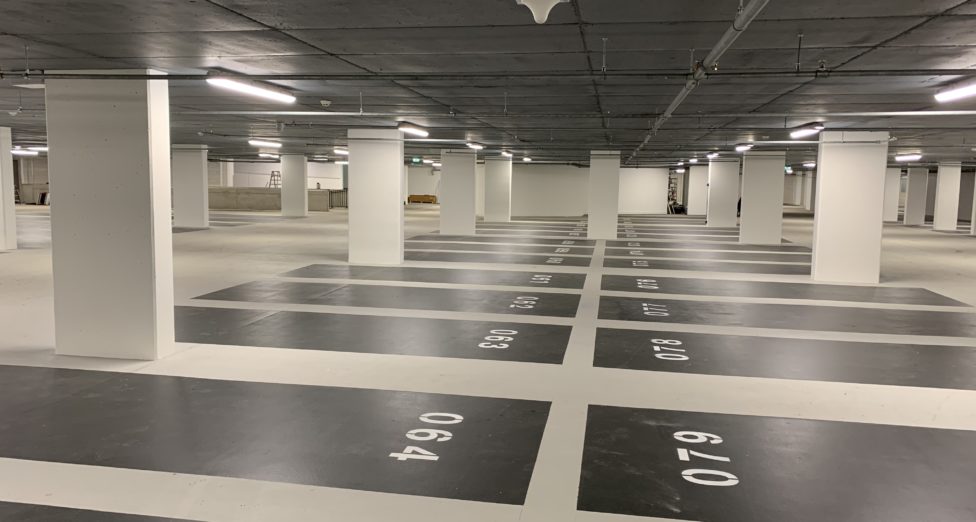
Guesthouse Quarter
Commissioned by BC Gasthuiskwartier V.O.F., Gacon provided the floors, walls and ceilings of the basement of the former Groot Ziekengasthuis in 's-Hertogenbosch with durable protective coating systems.
Read more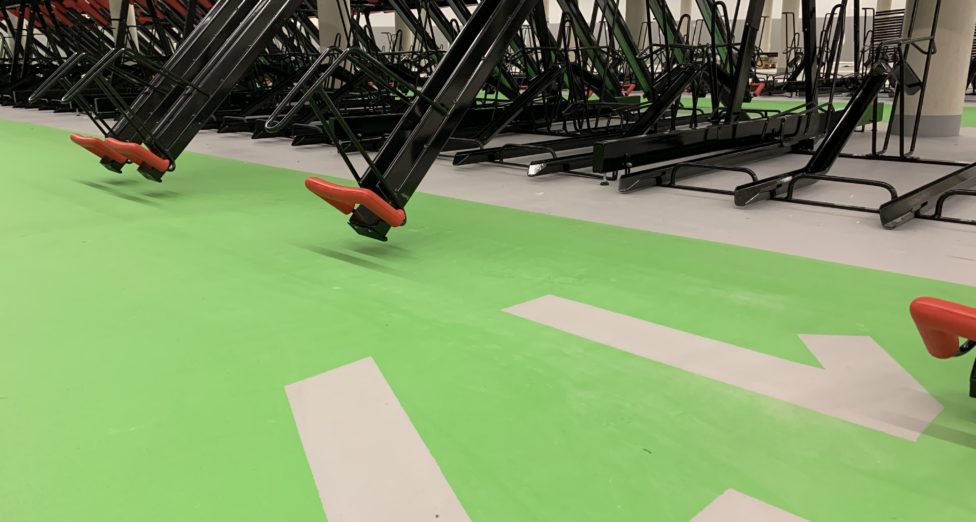
Bicycle basement at Driebergen-Zeist station area
The supply and installation of approx. 3,000 m2 of floor finish based on Sikafloor-2540 W in RAL 6018 (aisles) and RAL 7004 (islands for the bicycle racks) and approx. 400 m2 of wall finish based on Sikagard-675 W in RAL 7004. The floor finish was pre-tested for skid resistance and cleanability by DEKRA Rail in accordance with the requirements
Read more